 manyframe
Give the product one good moment.
A useful product video brief tells you what should happen and what must stay the same. Start small, make the movement specific and give yourself a clear review checklist.
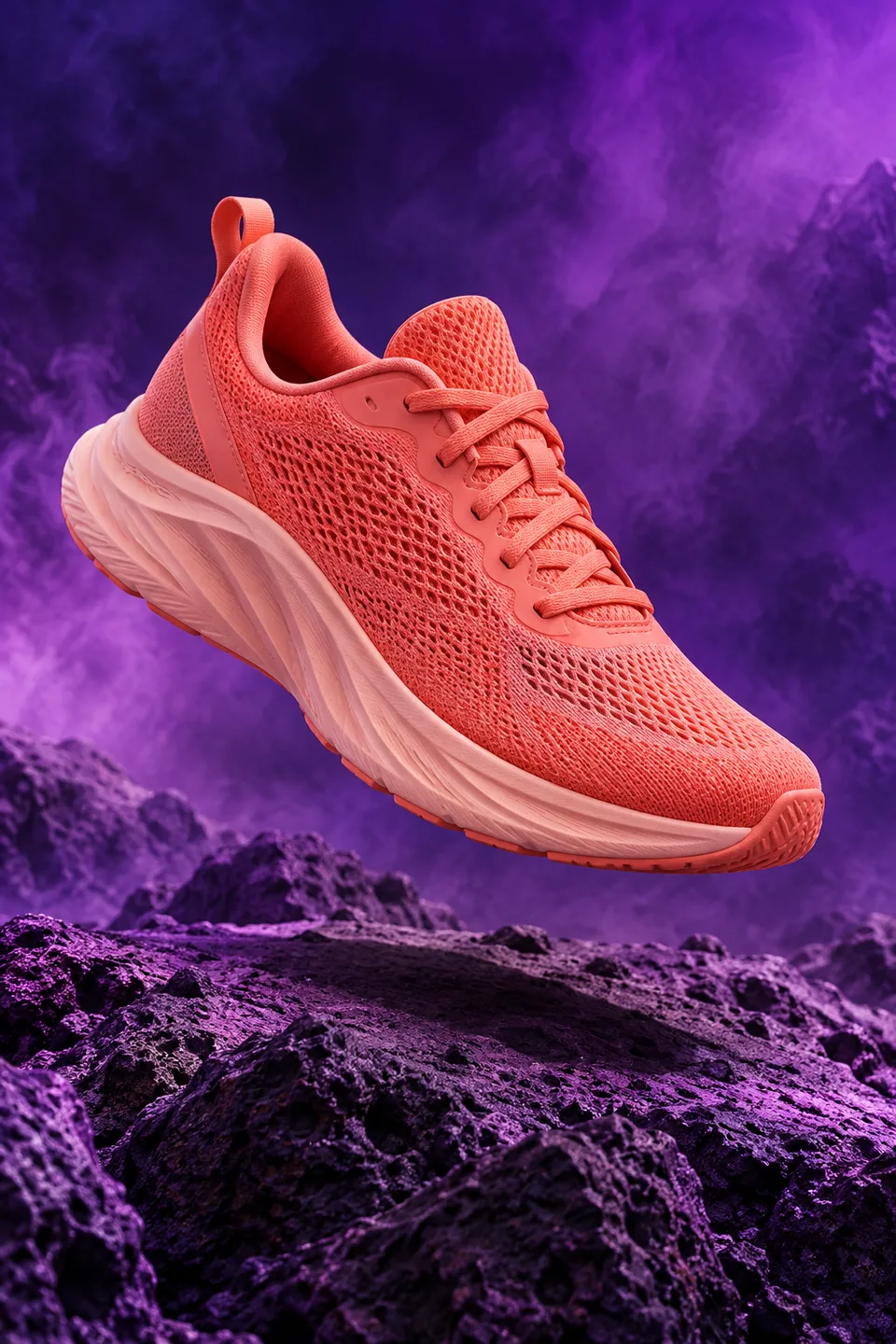
01 / Decide what the clip should do
One clip. One job.
A product reveal, a texture detail and a full origin story are different creative tasks. Trying to fit all three into a short generated clip makes the brief harder to evaluate.
Choose the single impression you want to leave: the drink looks refreshing, the material feels tactile, the bottle has a distinctive shape. Write that intent before describing the camera. It gives every other choice a purpose.
Choose the destination too. A vertical social clip and a landscape website asset need different compositions. Select a supported aspect ratio and duration in the workspace, then confirm the quote for those settings.
02 / Describe motion people can picture
Make the action specific.
“Make it premium and cinematic” is a mood. A slow camera push toward a stationary bottle is an action. Start with one movement, a simple environment and a clear subject.
Describe what moves, how it moves and what remains still. If you want a camera movement, say so. If the product itself should rotate, keep the environment uncomplicated so the model has fewer conflicting instructions.
A single strong beat is a useful first test. Only add more complex movement when the selected model supports it and the simpler output already preserves the product.
Write down the details you cannot lose.
Name the product shape, color, material and packaging details that must remain recognizable. Add a clear reference image. Do not ask the model to invent a new design when the job is to show an existing product.
Small label text is a particular review point. If it changes or becomes unreadable, treat that as an output problem. Consider adding critical typography in a separate finishing step rather than accepting inaccurate packaging.
03 / A brief you can adapt
Keep the first version simple.
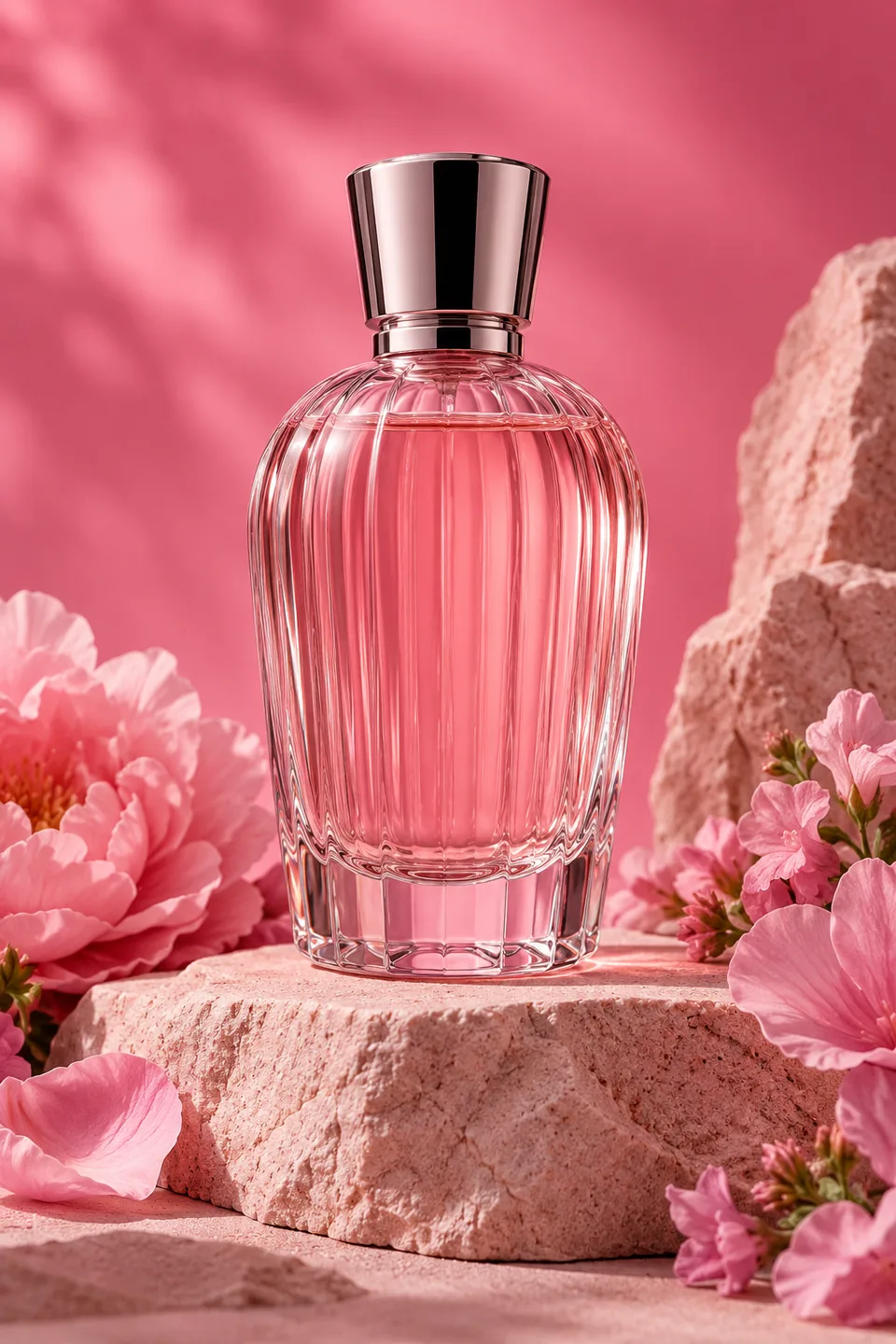
“Use the supplied bottle image as the product reference. Create a slow push-in toward the stationary bottle on a warm stone surface. Soft afternoon light, a restrained background and one subtle moving shadow. Preserve the bottle's shape, cap, color and label placement. Keep the product visible throughout.”
Example creative brief, not a generated-result promise. Select the format and duration supported by your chosen model.
Change the subject and visual direction to fit your brand. Avoid adding unrelated scene changes, multiple products or several different camera movements to the first attempt.
04 / Review the result against the job
Success means more than a completed task.
Watch the whole clip. Check that the product stays recognizable from start to finish, the motion matches the brief and the requested format is correct. Look for changing materials, extra objects, distorted text or visible artifacts.
A technically completed generation can still be unsuitable for the campaign. Include the cost of all attempts when evaluating the workflow. Approve a result for the intended use before attaching it to a post, and check the input permissions and selected model terms for commercial work.
A clear brief is a good first move.
Start with a product reference and one motion you can picture.