 manyframe
Show the product you want to keep.
A reference image gives your brief something concrete to work from. Choose one that explains the product clearly, then use it to judge the result.
01 / Know what you can use
Start with permission.
Use product photos, logos and other media you own or have permission to use for the intended task. A photo you can view online is not automatically material you can upload, adapt or use in an advertisement.
If a reference includes an identifiable person, voice or motion performance, check the permission needed for that use too. Keep the source of important material clear in your own production records. Selected model terms can add their own commercial-use conditions.
02 / Give the model a clear subject
Choose clarity over decoration.
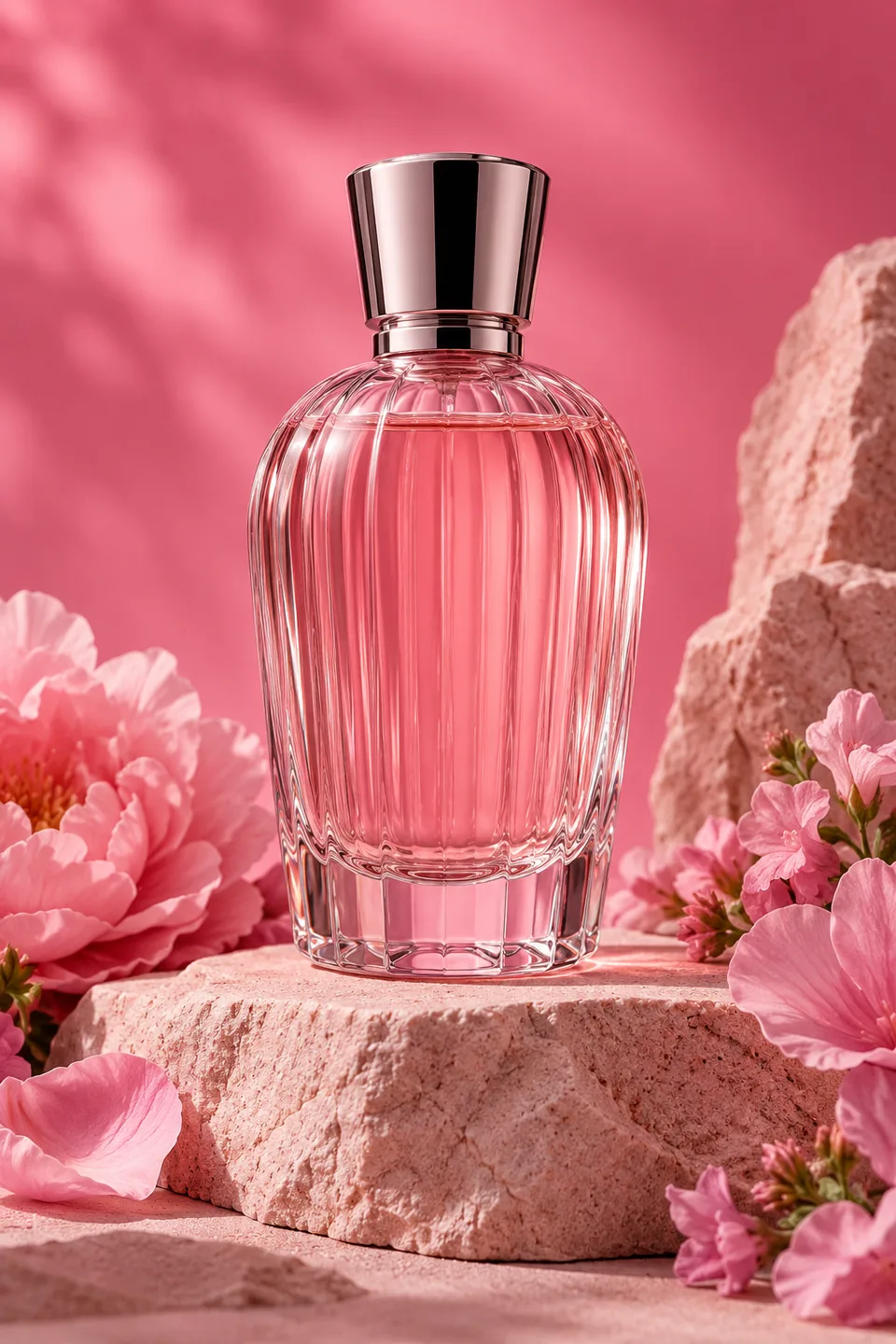
Pick an image where the complete product is easy to understand. A clean, well-lit view usually explains shape and material better than a tiny object in a busy lifestyle scene.
Check for cropped edges, blurred details, heavy filters, reflections that hide the label and strong shadows that change the apparent color. Give the product enough room in the frame for the intended composition, without making it so small that key details disappear.
Use the actual product variant you intend to show. A different cap, colorway or package size creates an avoidable conflict between the reference and the brief.
Make the non-negotiable details explicit.
- Shape: silhouette, proportions and any distinctive edges.
- Color: the actual variant, including contrasting details.
- Material: glass, fabric, metal or finish that should stay recognizable.
- Packaging: cap, label placement, logos and critical text.
- Quantity: whether there should be one product or a deliberate arrangement.
These are review criteria as well as prompt details. Keep them short enough that you can check every one against the finished output.
03 / Match the reference to the route
Use the inputs the model actually supports.
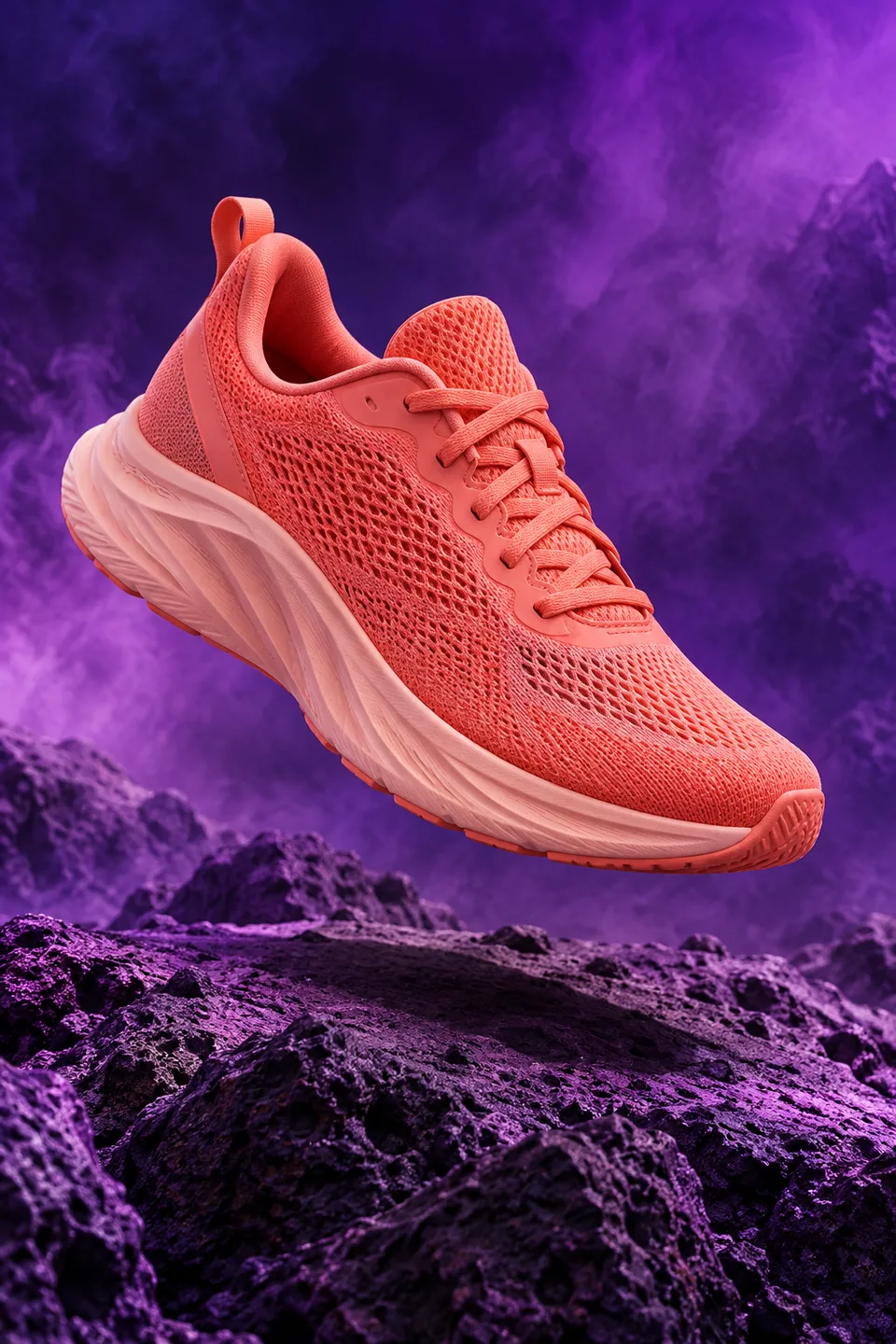
Image-to-video starts from an image. Other routes can accept multiple references, a first and last frame or supported video inputs. The available model and workflow determine which controls you can use.
Do not assume that adding more reference images always improves a result. Give each input a clear role and avoid contradictory product variants or lighting directions. Provide the required inputs, select supported settings and review the quote before starting generation.
Upload useful media to private Assets so you can select it again in a supported workflow. Keep source files in your own archive too, according to your team's delivery and retention needs.
04 / Compare before you approve
The source stays your reference point.
Review the full image or video against the original. Check that the product remains recognizable, the color and material stay plausible, and the packaging does not silently change during motion.
Critical text can drift even when the overall image looks attractive. Reject incorrect claims or packaging, or finish the typography separately when appropriate. A beautiful output is only useful when it still represents the product you meant to show.
Once it passes the review, confirm the output format and intended commercial use before attaching the asset to a publishing draft.
Bring a reference worth building on.
Keep the product clear. Make the review criteria specific.