 manyframe
GPT Image 1.
Give a product visual a clear creative direction, from a written scene to a source-based edit on a compatible route.
Available models and settings are shown in your studio. Review the quote before generating.
The route.
The right inputs.
Start from the creative job, then choose the model and settings that fit it.
Model ID gpt-image-1
- Generation
- Standard image request fields are forwarded
- Reference inputs
- JSON or multipart image/image[] on the edit path
- Mask
- Optional edit field; verify the selected route’s requirements
Capabilities describe the Manyframe connector. Your studio shows the currently enabled route, supported settings and maximum charge.
Define what makes the product yours.
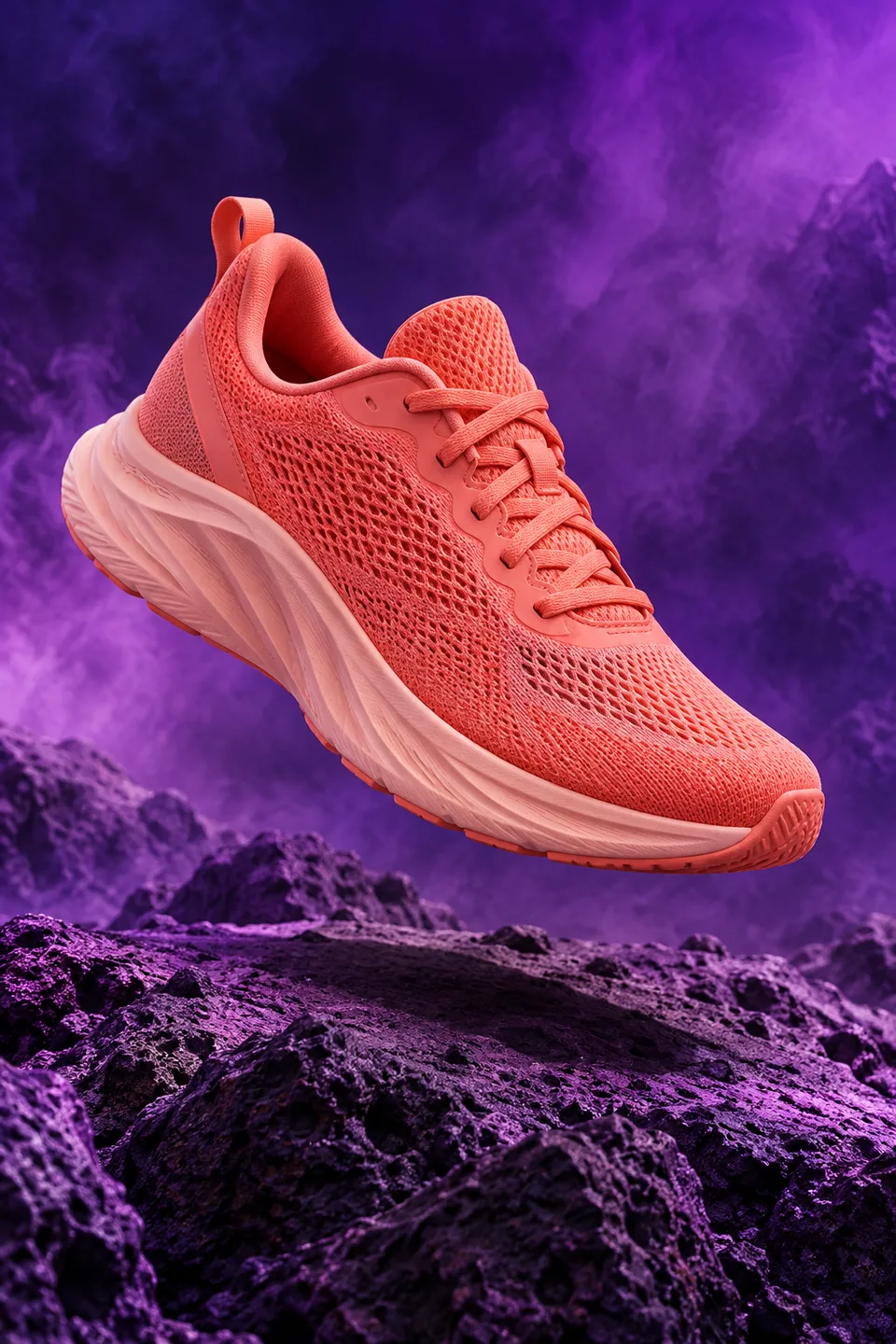
Before changing the scene, list the details that matter: the shoe’s coral color, mesh texture, sole profile and visible proportions. Then describe the new environment separately. That makes a reference-based experiment easier to assess than a brief that mixes product redesign with background changes.
GPT Image 1 is an explicit route ID, so you can record it alongside the prompt, source image and selected settings when comparing concepts. Inspect product edges and text at full size before using a result in a campaign. Image-edit forwarding is a request capability, not a promise of exact identity preservation.
Good questions. Clear answers.
Still curious? Browse all FAQs
Can I use more than one image in an edit request?
The connector handles image[] and indexed multipart image fields as well as a single image. Confirm the selected model’s reference-count and format limits before submitting.
Will a reference keep every product detail identical?
That is not guaranteed. Compare the generated silhouette, materials, branding and text with the source before approving the creative for use.
Put the product at the center.
Choose a clear source and a focused creative brief.